
When Apple announced all the new features coming to the Apple iPhone 6s and Apple iPhone 6s Plus, the camera was the single upgrade I was most excited about. Not only did the rear iSight camera get a nice bump to 12 megapixels, the front-facing camera also got a much-needed increase to 5 megapixels — and a software flash option!
As I do every year, I couldn’t wait to put last year’s iPhone head to head with this year’s to see how much of an upgrade the camera bump actually is. And more importantly, does it warrant an upgrade for someone who already has an iPhone 6 or iPhone 6 Plus?
Editor’s notes
In the side by side samples below, I’ve sized down images in order to conserve bandwidth (and to be considerate of your cellular data plans). For this reason, I’m including access to all the original files.
The full, unedited versions of every photo used in this article are included in this Dropbox folder:
I chose to compare the iPhone 6s Plus and the iPhone 6 Plus over their smaller siblings due to the image stabilization feature the 4.7″ models lack. If you’re considering an iPhone 6s or an iPhone 6 instead of the larger Plus model, this comparison is still very relevant.
Just bear in mind that without OIS, you may not get as good of results in low light as you would with OIS. Last year I found the difference to be negligible, and I don’t expect that to be any different this year.
Here’s how both cameras fared in comparison to each other in real life, everyday scenarios.
iPhone 6s Plus vs iPhone 6 Plus: Daytime shots
HDR, Macro, and everything in between
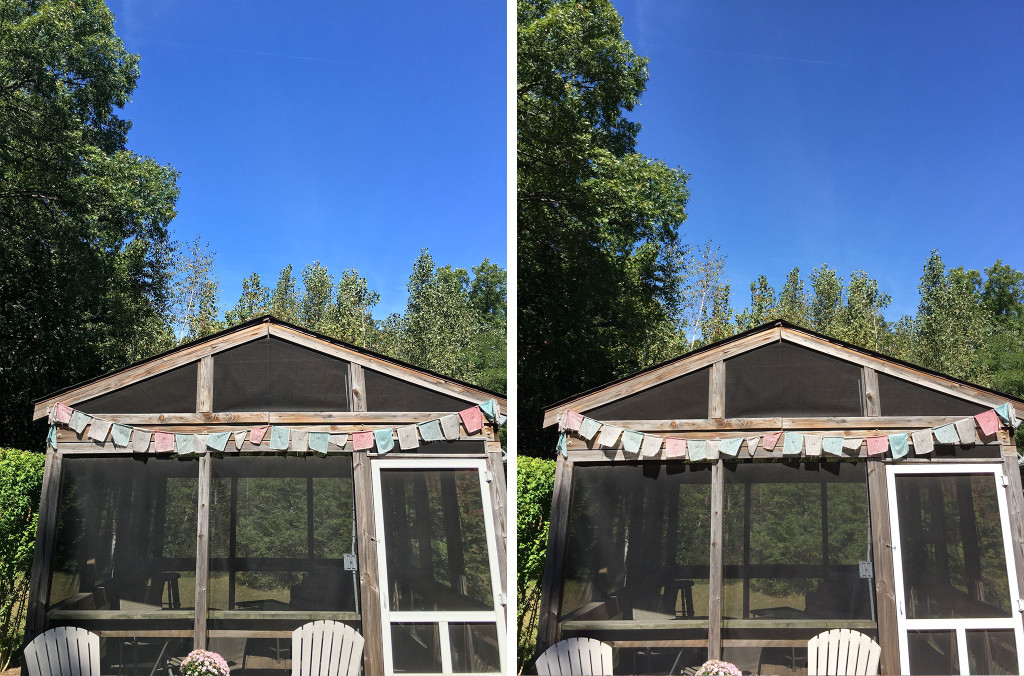
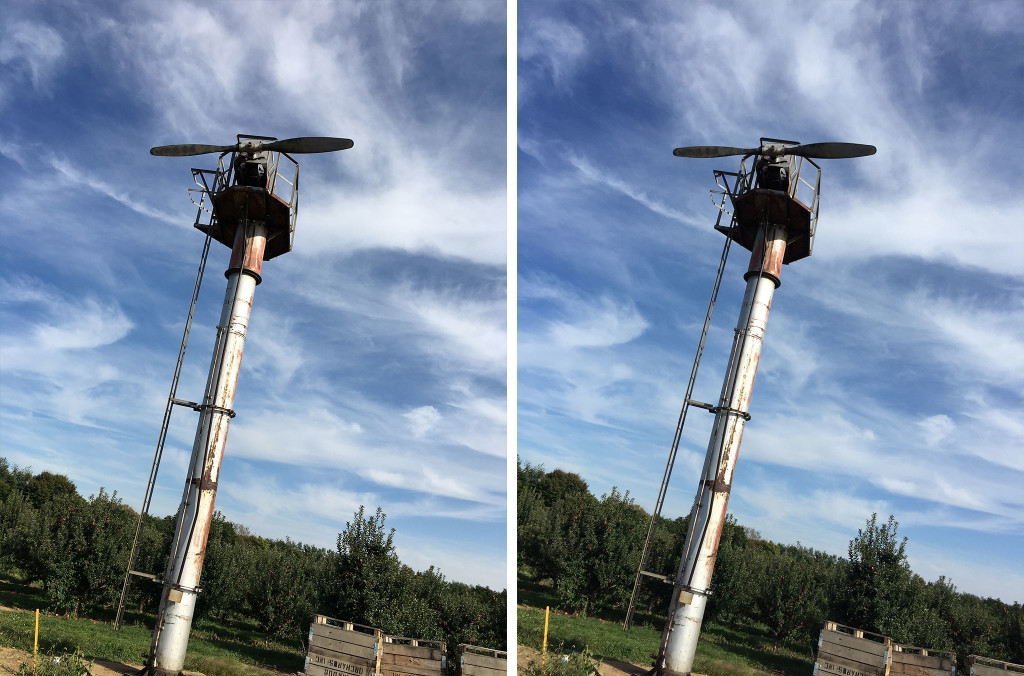
Left: iPhone 6s Plus, Right: iPhone 6 Plus


In the barn photo above, the iPhone 6s Plus seems to do a slightly better job preserving tones in the sky and the red in the barn. Notice the foreground is slightly brighter as well.

During these photo tests, I noticed quickly that the iPhone 6s Plus does a much better job balancing exposure overall. As you can see above, the entire photo is balanced better on the left. The wood floors are brighter without blowing out the windows towards the top of the photo. The foreground of the iPhone 6 Plus sample is a little darker, which is the tradeoff the camera made to not blow out the windows.
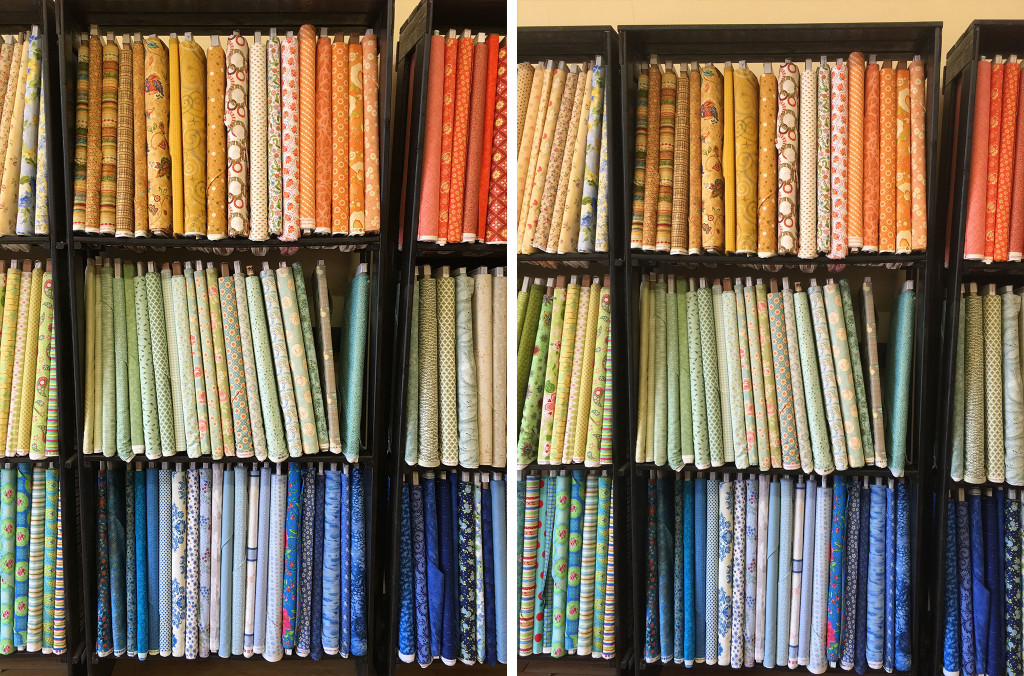

Again, the iPhone 6s Plus on the left does a better job balancing difficult shots. The sun was glaring in this shot and the 6s Plus definitely flexed its muscles, but pulled it off. The 6 Plus image is perfectly acceptable, but again, the foreground is darker and the sun behind the clouds isn’t as pronounced.
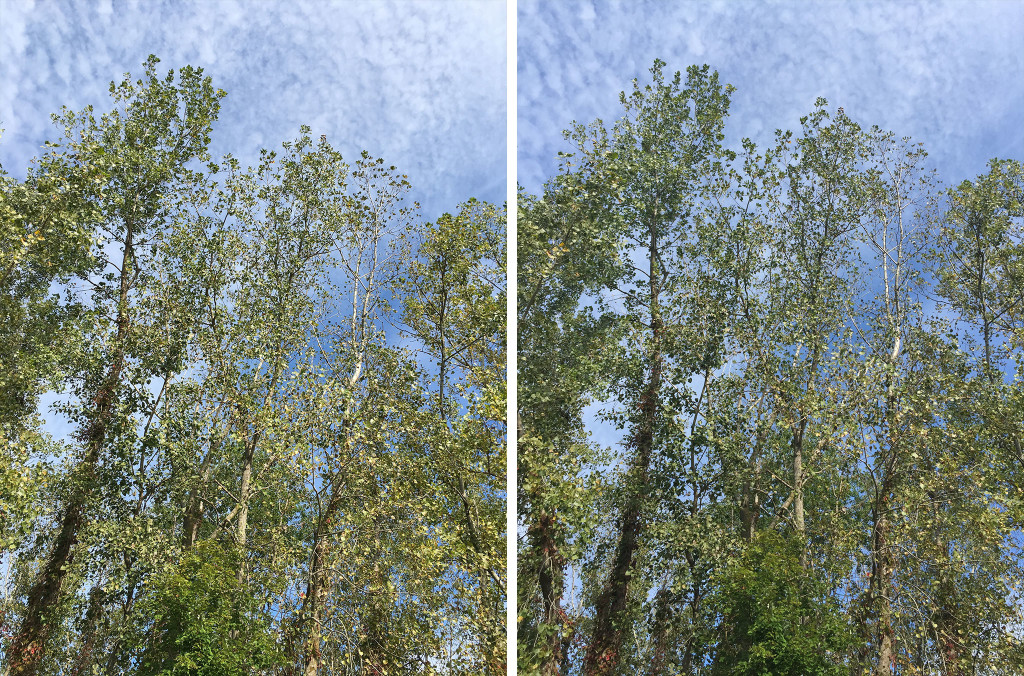

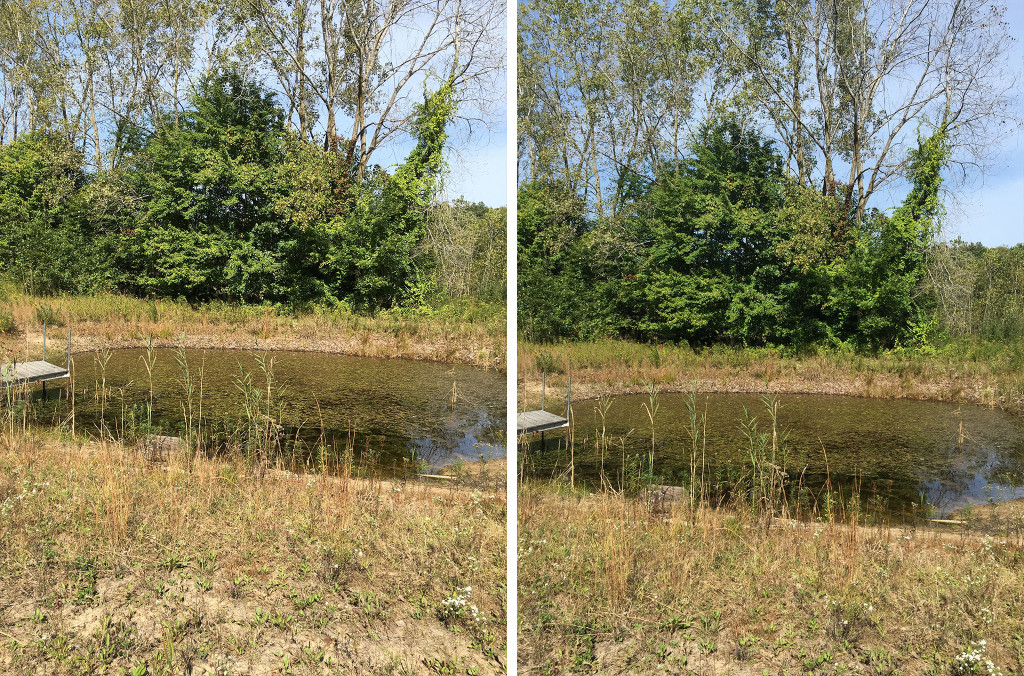

Draw your attention to the trees in the photo above and how the 6s Plus did a better job of preserving the saturation while still not blowing out the glare from the sun behind it. The iPhone 6 Plus produced a perfectly acceptable image, but it isn’t as balanced as the 6s Plus.


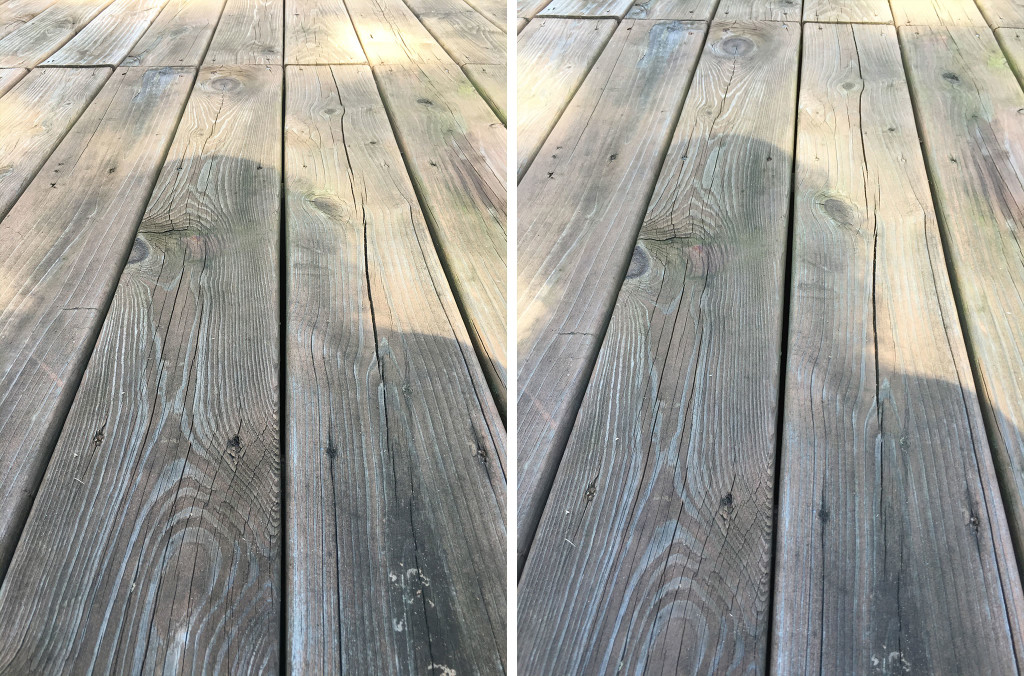
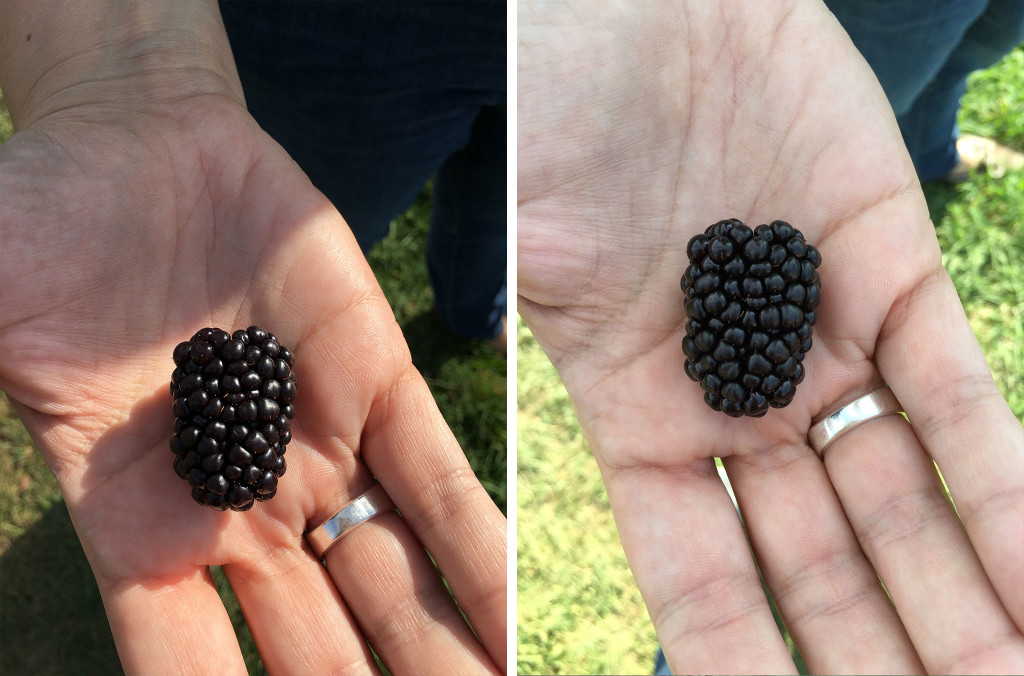
The image above was interesting to me. The iPhone 6 Plus on the right kept washing out my girlfriend’s hand. The iPhone 6s Plus had no problem showing natural skin tones. Also, look at the berry, which has much more texture and detail on the left that it does on the right.
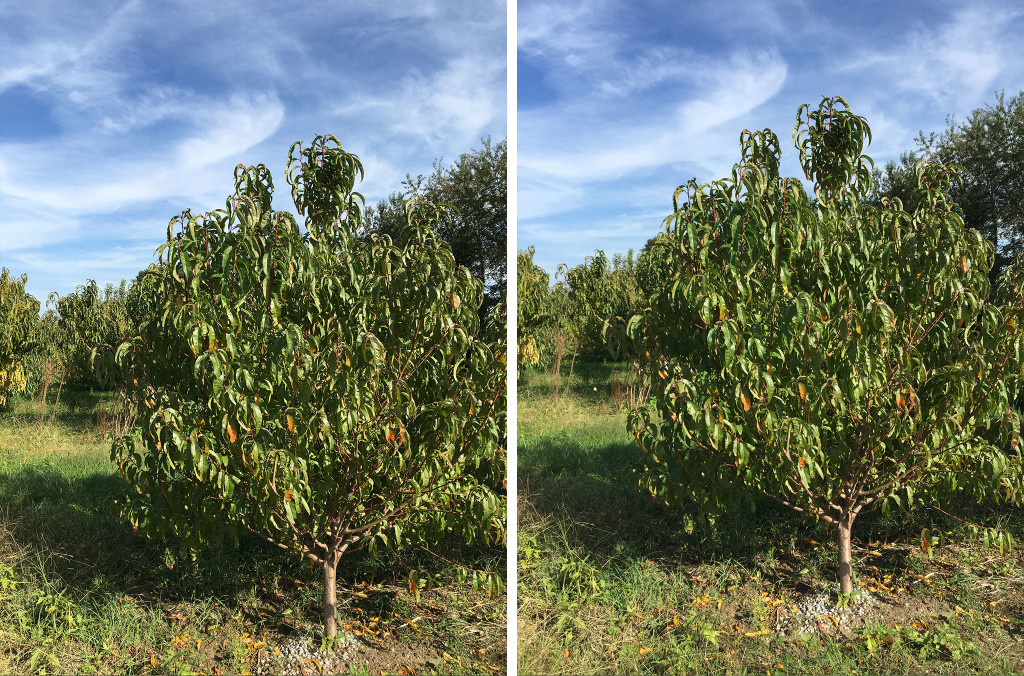
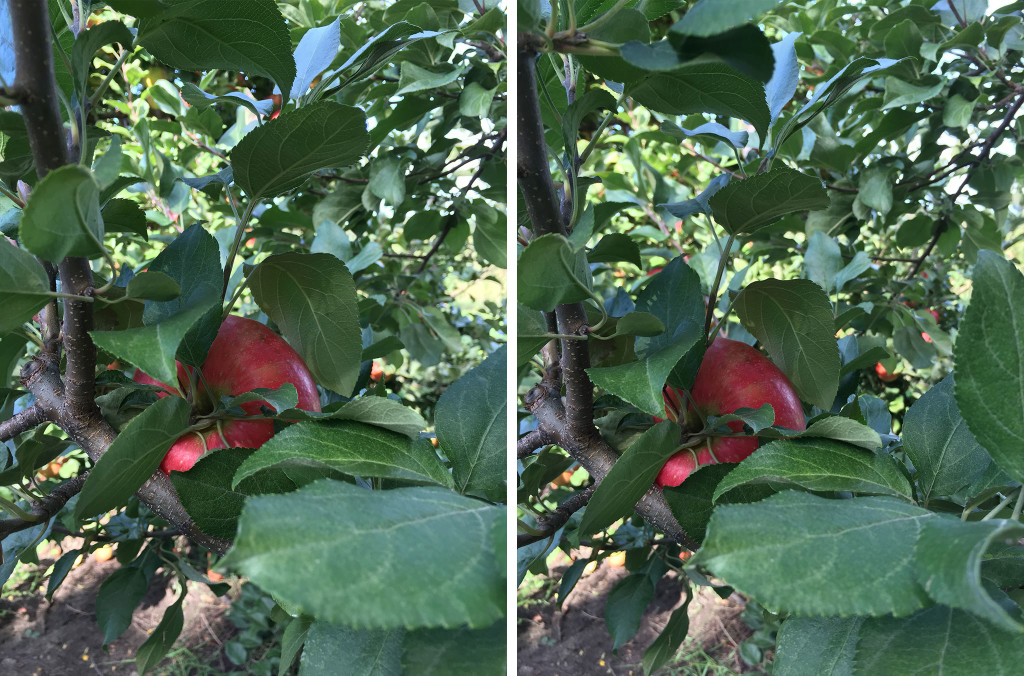
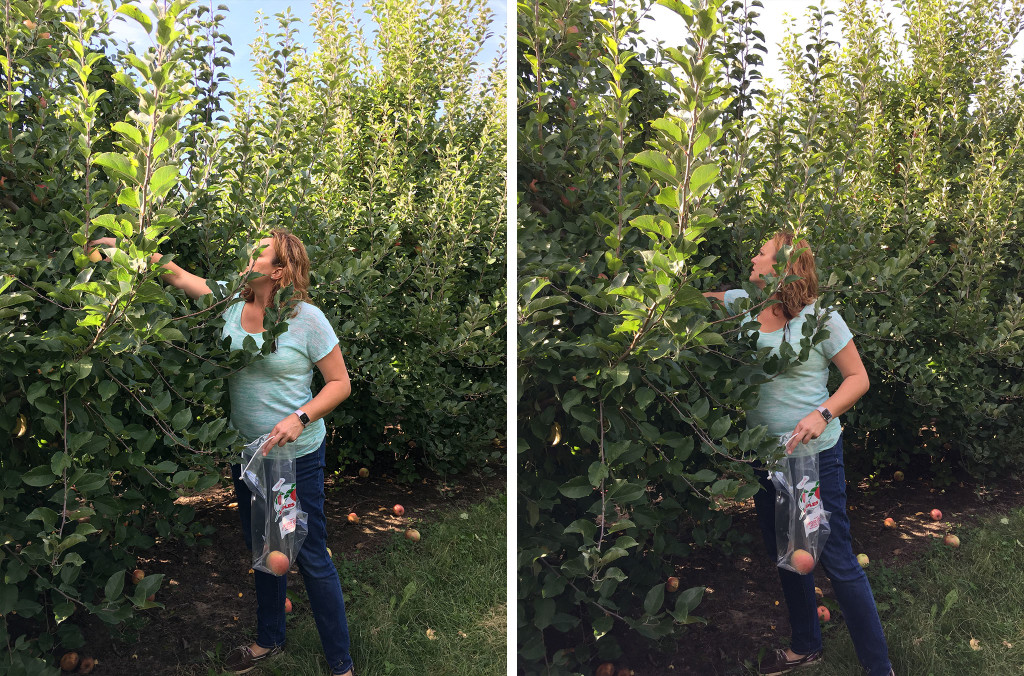
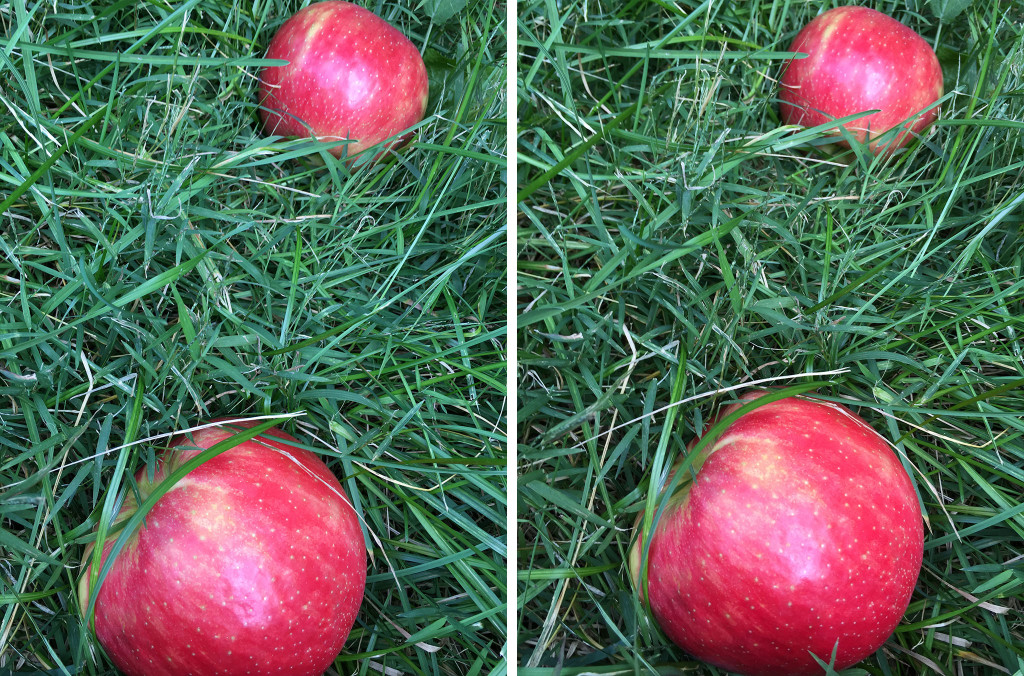
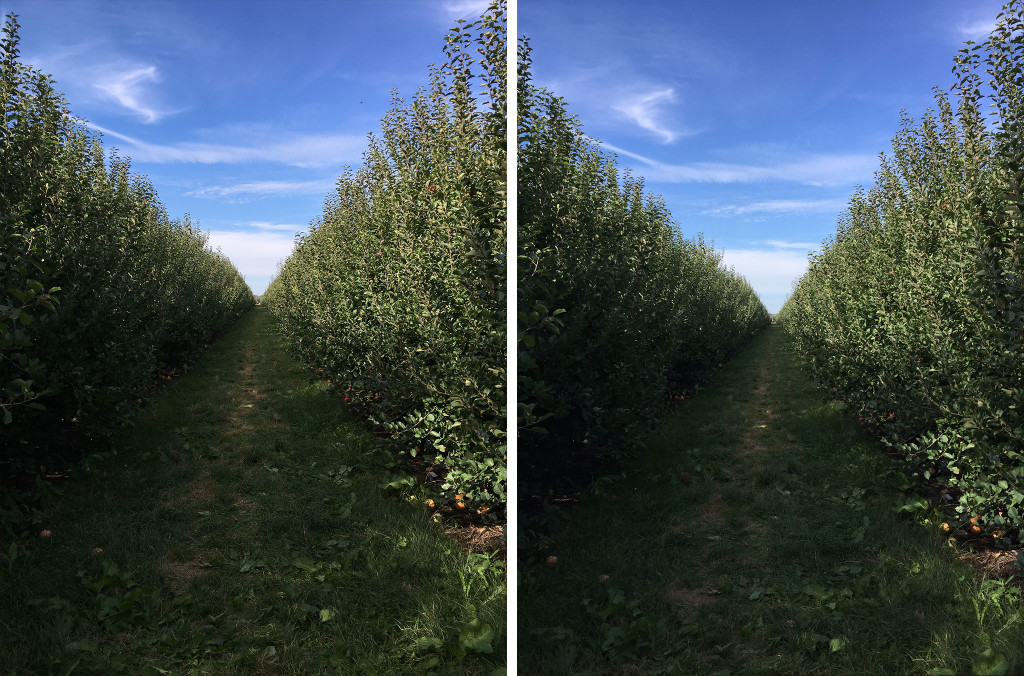
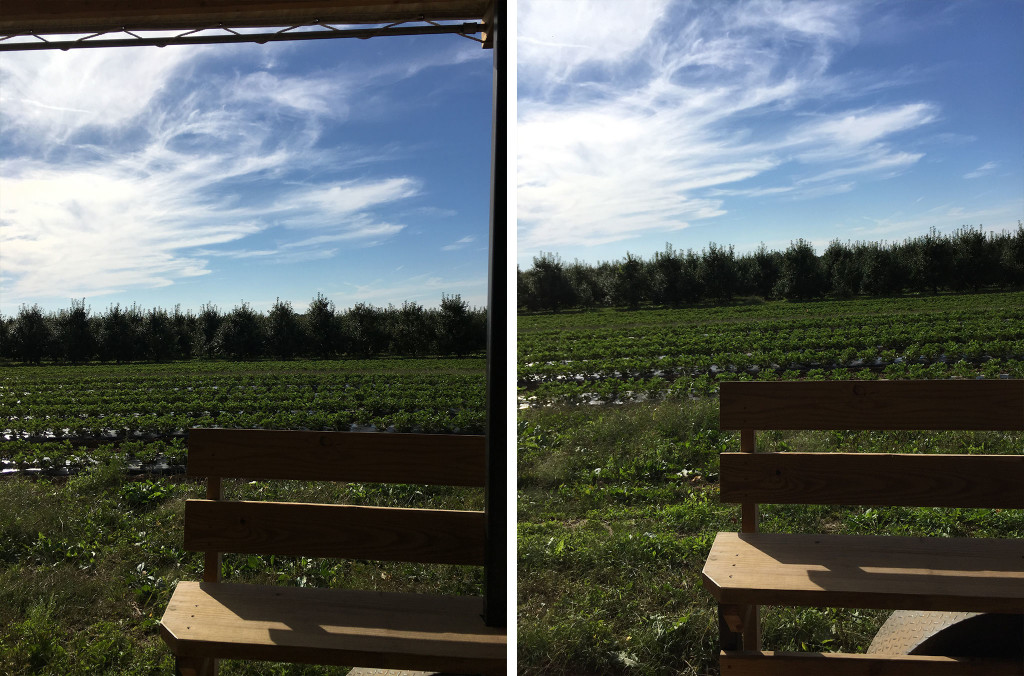


The sun was incredibly high in the sky when I snapped the photo above. I could barely see what I was snapping an image of even with sunglasses on. Both phones produced usable images but again, the iPhone 6s Plus did a much better job balancing the image as a whole. The foreground is much brighter.
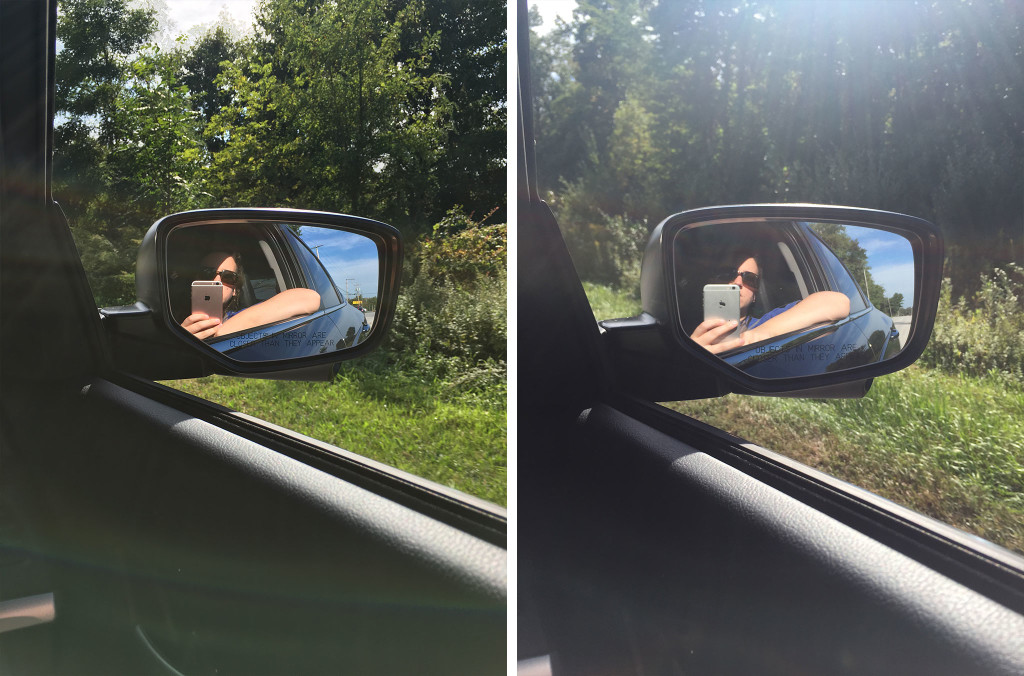
The photo above shows an issue I’ve continuously had with my iPhone 6 and 6 Plus over the past year. Whenever the sun is right overhead, you get lots of glare and blown out portions towards the top of the photo. I was glad to see the iPhone 6s Plus vastly improves on this issue.


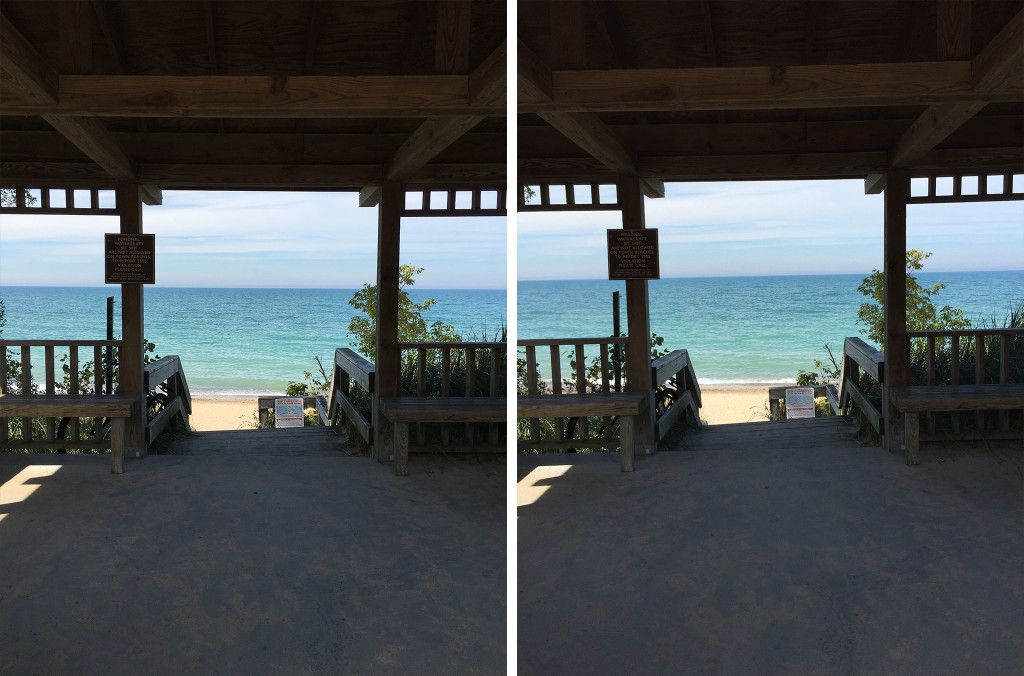
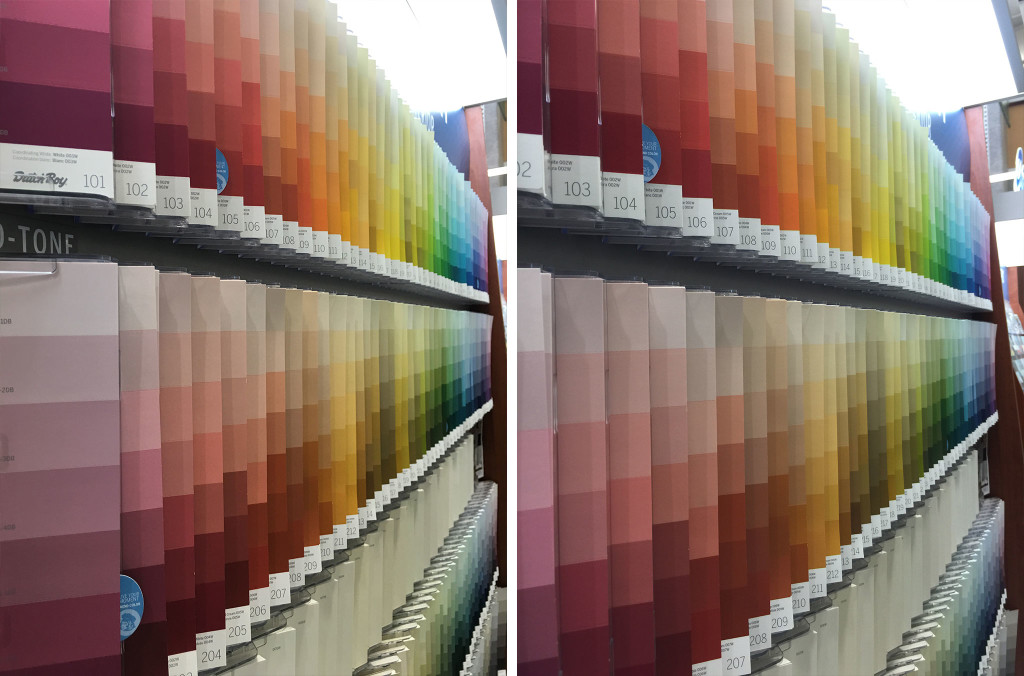

The image above was interesting to me because the iPhone 6 Plus actually did a better job with white balance. This was also a very strange lighting situation we’ll almost never encounter but figured it was a fun sample to take. If you pay close attention, you can see that the 6s Plus did handle the windows in the background better. The bottom left corner of the window in the 6 Plus sample is somewhat blown out. Not a huge deal, but just something to point out.

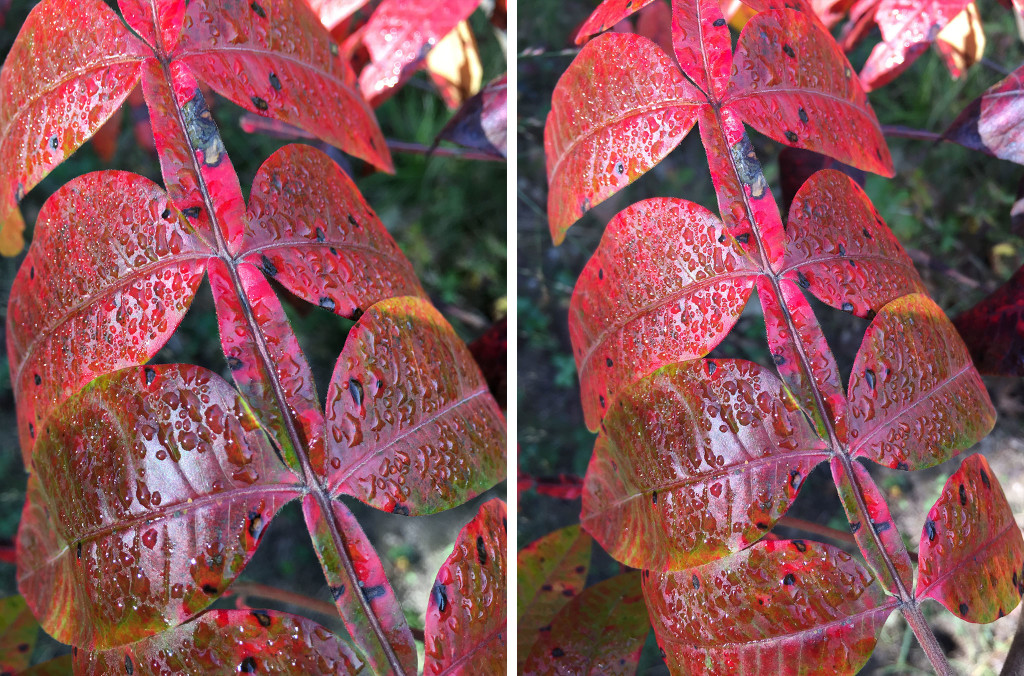

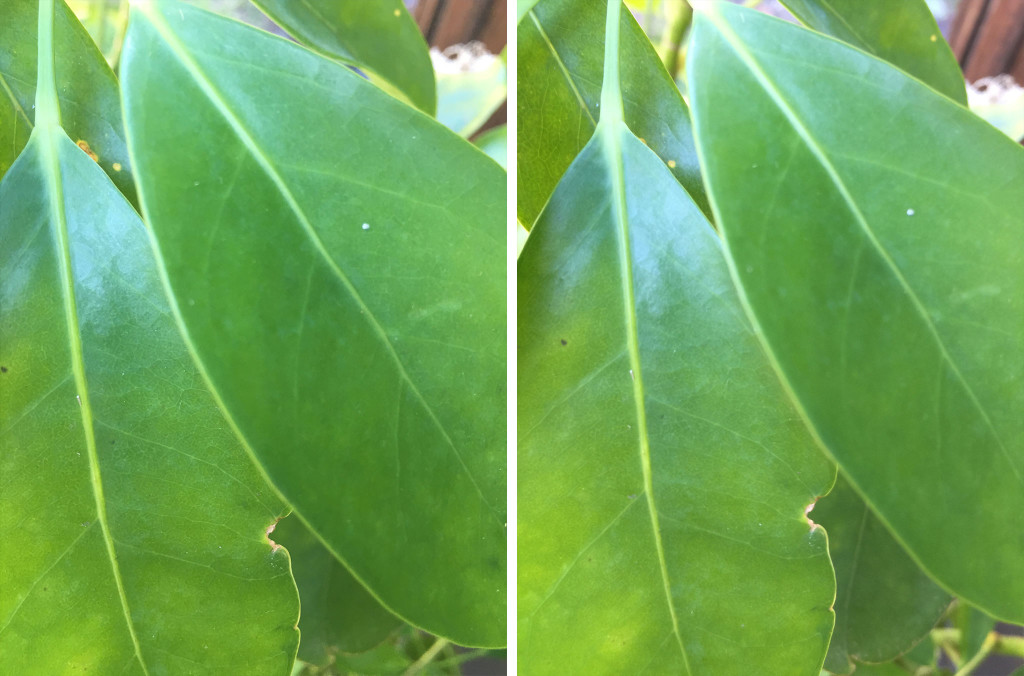
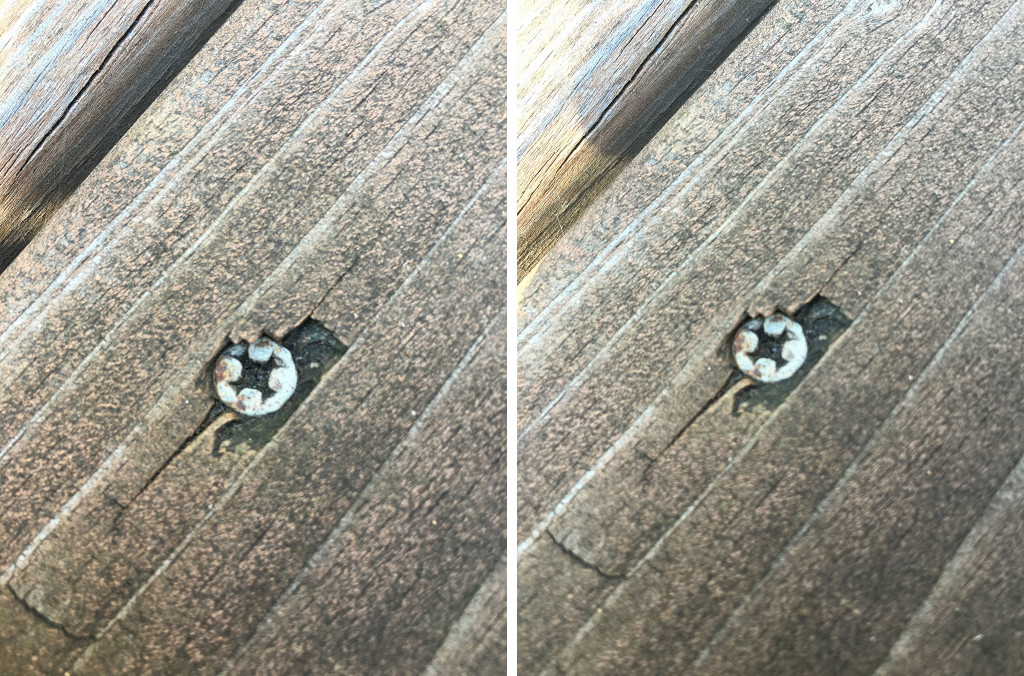
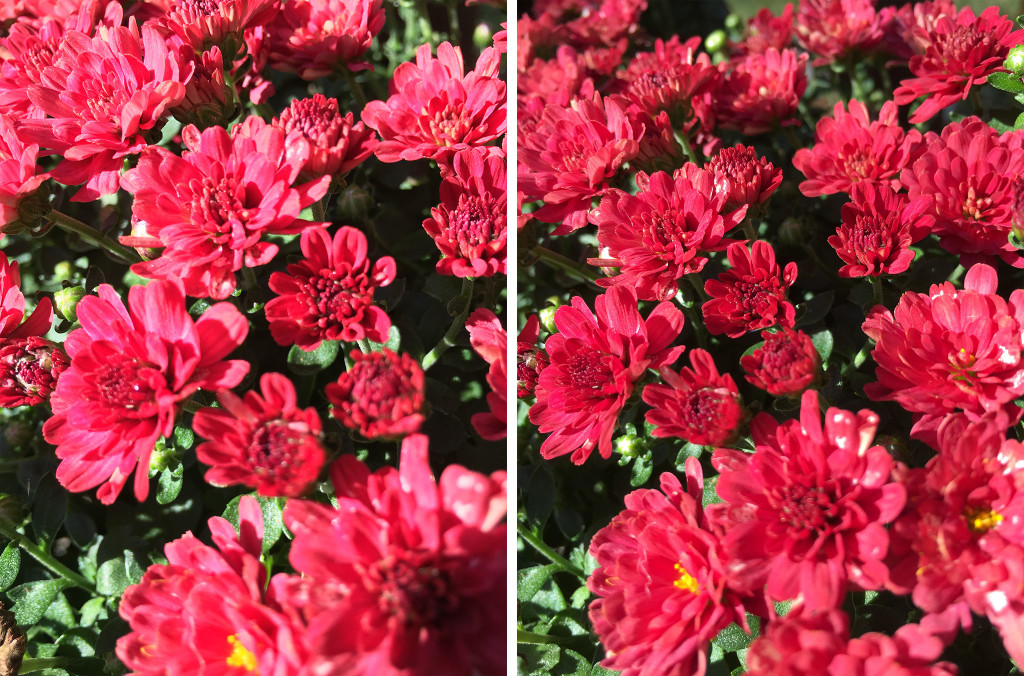
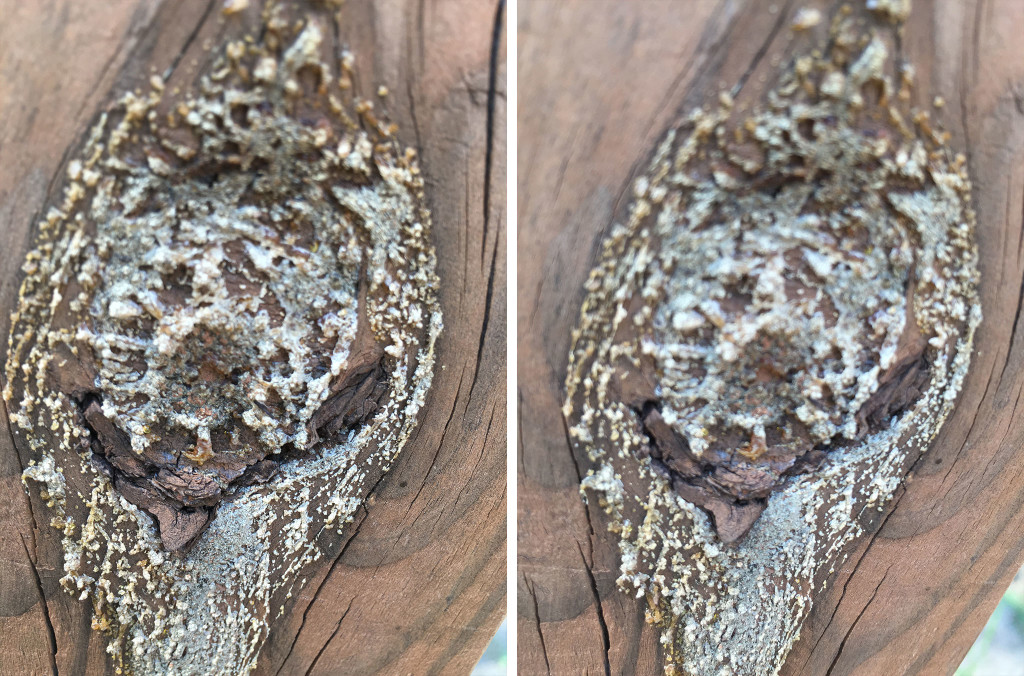
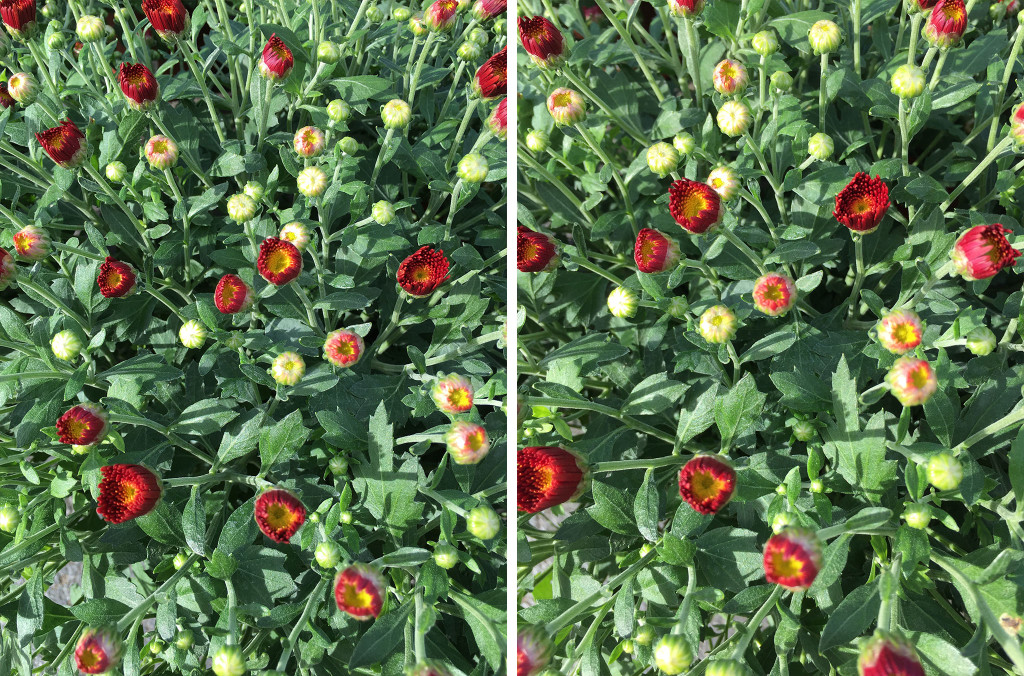


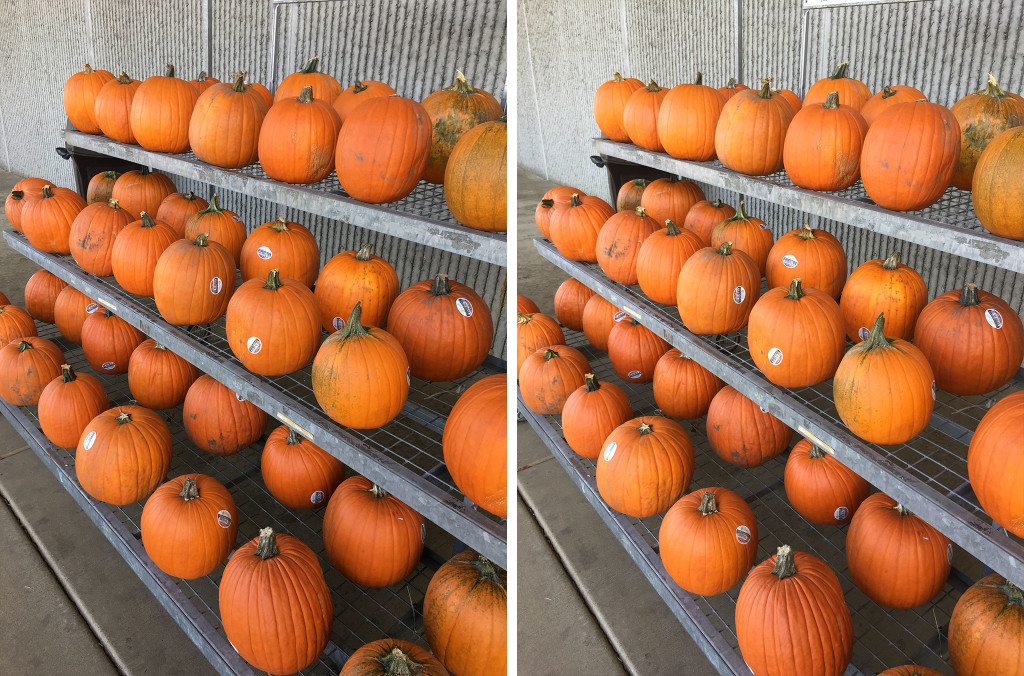
There really isn’t too much to say about any of the macro shots above. I found both cameras to take phenomenal macro photos. In very few instances, I felt I was able to get slightly closer to subjects on the 6s Plus but the difference was negligible, at best.
iPhone 6s Plus vs iPhone 6 Plus: Night time shots
Low-light and flash photography
Left: iPhone 6s Plus, Right: iPhone 6 Plus


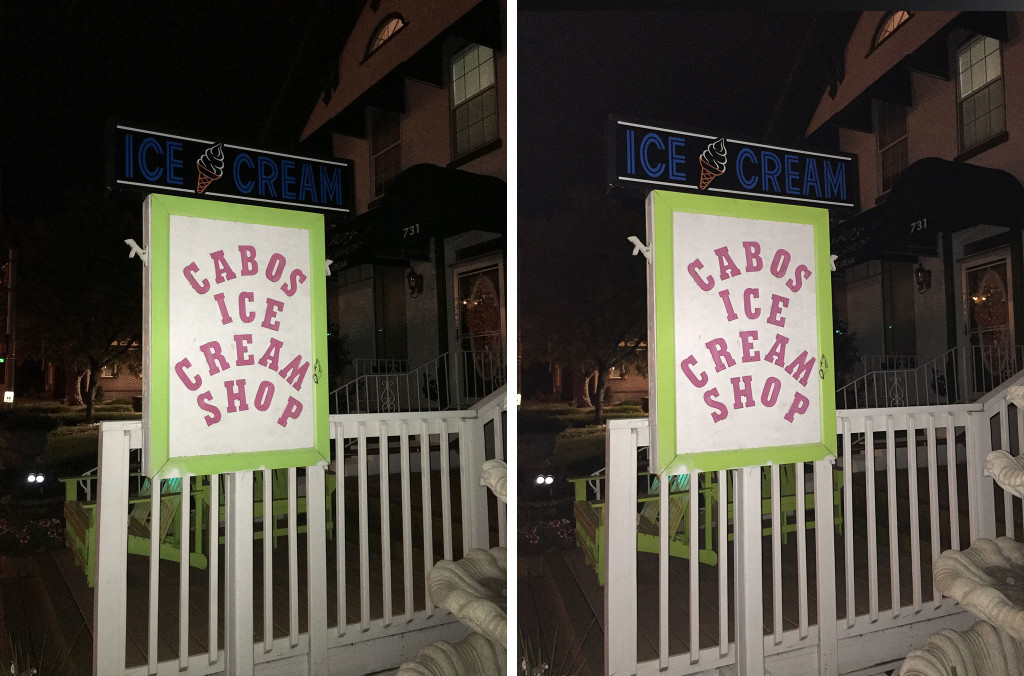

The 6s did a little bit better of a job balancing tones in the above photo, but both are usable images.
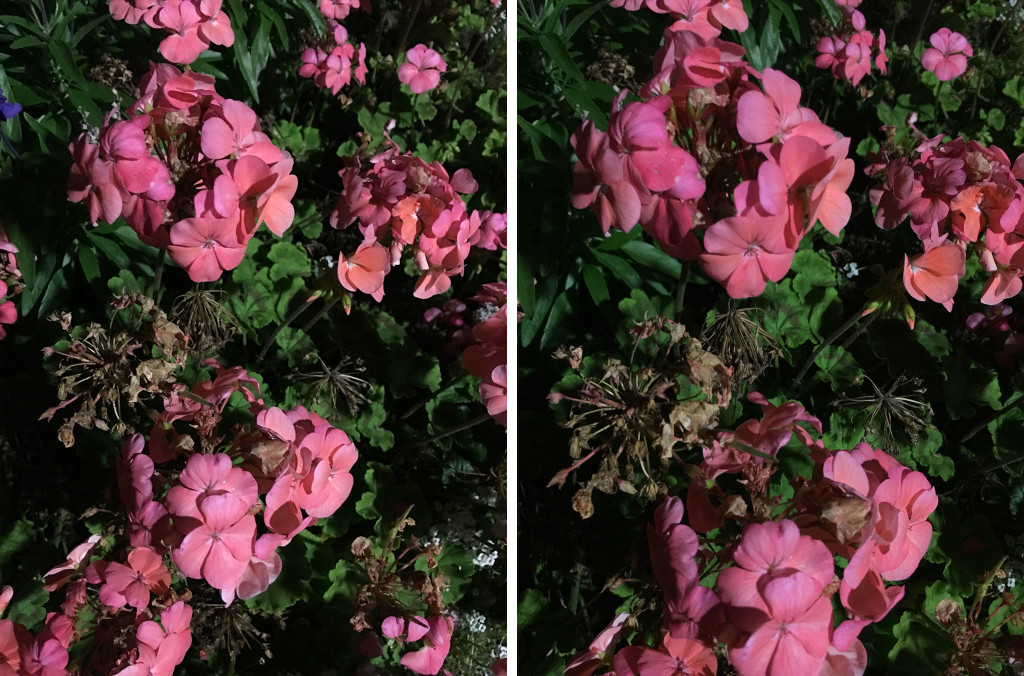
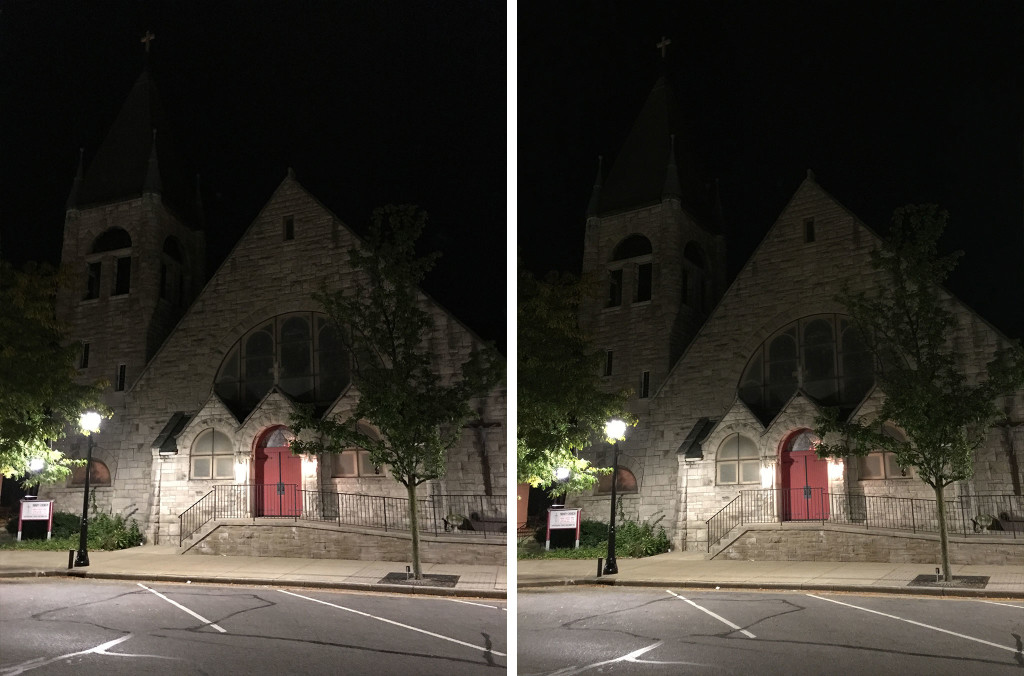
The above image is also interesting as I actually prefer the 6 Plus image on the right. This could be a fluke but I took this image twice and the 6 Plus did a better job.
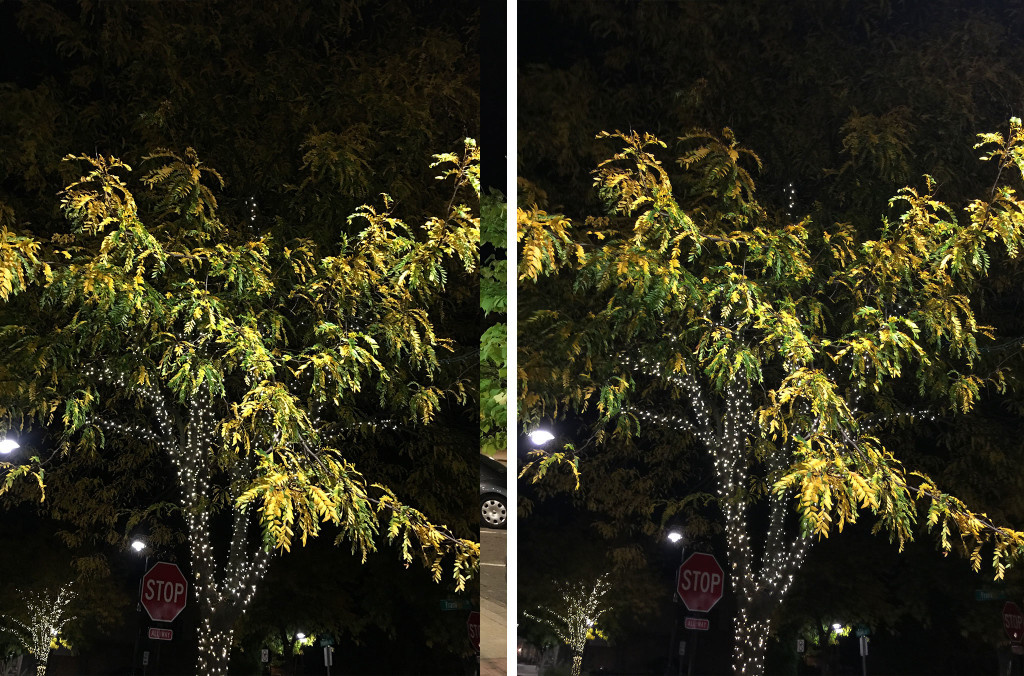

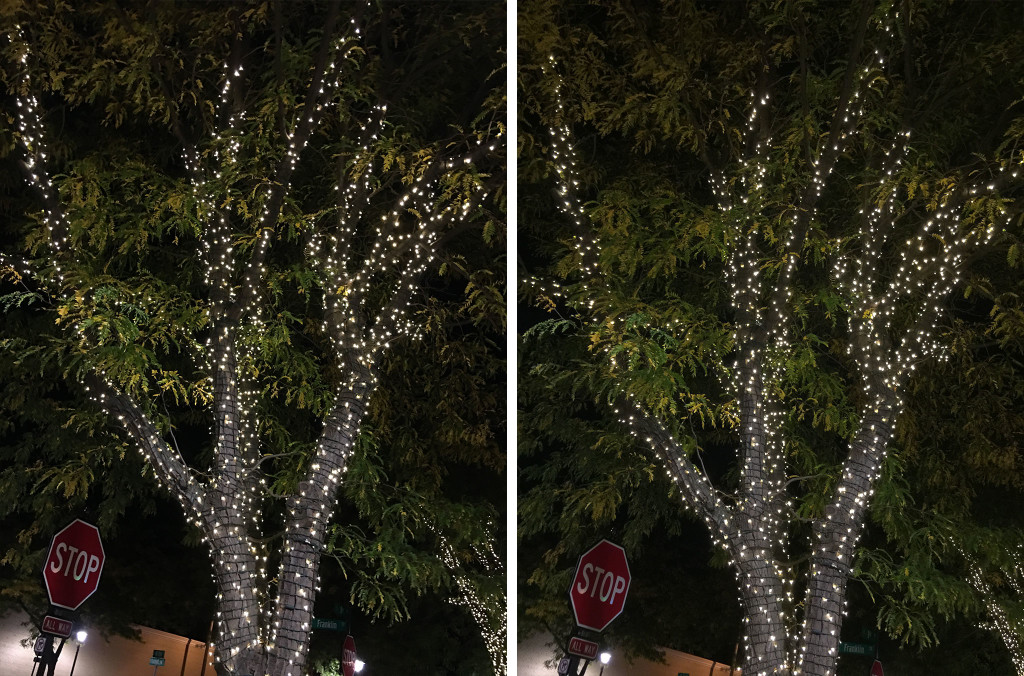


In most low light or flash photography situations, both the iPhone 6 Plus and 6s Plus did well. Actually, I rarely saw very much of a difference. In a few, the iPhone 6 Plus produced an image I favored, while in others, the 6s Plus did. The 6s Plus seems to produce less noise but the 6 Plus stays slightly sharper.
Using the front-facing camera, that’s a whole different story…
iPhone 6s Plus vs iPhone 6 Plus: Selfies!
Left: iPhone 6s Plus, Right: iPhone 6 Plus


Holy wow! The front facing software flash does wonders in the dark. In both of the images above, we had almost no lighting in the background or foreground and it was pitch black out.
The iPhone 6 Plus samples on the right are less than stellar and not something I’d ever print out as they’d look horrible. The iPhone 6s Plus photos are not just usable, they’re actually good.


During the day, the differences are less obvious. However, when zoomed in, the iPhone 6s Plus does produce much clearer images and balances exposure much better. This will be beneficial when printing or enlarging any photos taken with the front-facing camera.
iPhone 6s Plus vs iPhone 6 Plus: Digital zoom
Left: iPhone 6s Plus, Right: iPhone 6 Plus

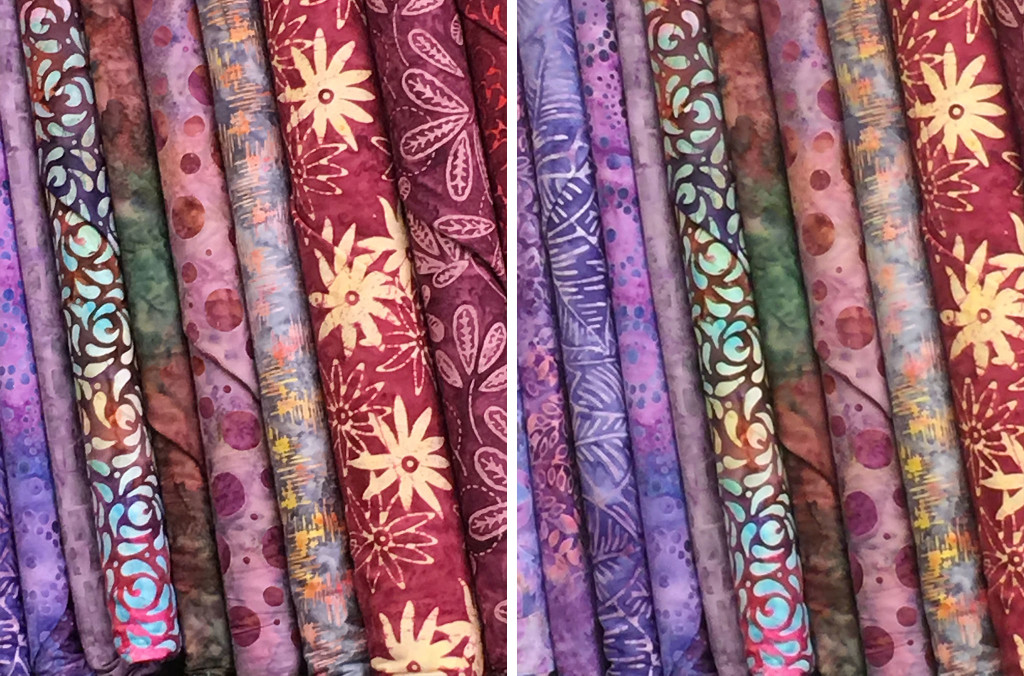


Digital zoom sucks in most cases, smartphone camera or regular camera. The iPhone 6s Plus shows a slight improvement over the iPhone 6 Plus in terms of clarity and brightness but to be honest, it’s still not a feature I will use often. I’d much rather take a photo and then crop it in closer.
iPhone 6s Plus: Live photos
The iPhone 6s and iPhone 6s Plus offer one unique feature in the camera app that you can’t get on an iPhone 6 or 6 Plus, and that’s Live Photos.
You can equate Live Photos to Harry Potter photos being a real thing. The camera captures right before and after you take the shot to create a live effect. In your Photos app, a Live Photo will show as static, but use 3D Touch to press on it, and watch it come alive.
For some people, this feature may be a little gimmicky. For others, especially those with children, it allows you to catch little moments you may miss otherwise.
Jeremy Olson from Tapity wrote a great piece on Live Photos and why he loves them. So I encourage you to check that out if you’re debating between last year’s iPhone and this year’s, or if you’re debating an upgrade from a 6 or 6 Plus.
The iPhone 6s and 6s Plus both bring vast improvements to the front-facing camera that were immediately apparent when dealing with poor lighting conditions. The bump in megapixels combined with the front-facing flash option has now made it possible to take a selfie at night that doesn’t suck.
However, the rear camera bump to 12MP doesn’t come without some drawbacks. In my experience thus far, the 6s series produces slightly less noise but isn’t as sharp as the 6 series. This most likely can be attributed to the fact that the actual pixels on the 6s series are slightly smaller at 1.22µ, where the 6 series offers 1.5µ. This is the tradeoff Apple made in order to bump the megapixel count. Overall, I don’t feel like I’m missing out and prefer the balance the 6s series offers.
So are the improvements enough to upgrade from your current iPhone?
For iPhone 6 and 6 Plus owners, the decision can be a tough one. Not everyone will be convinced to upgrade on camera merit alone, unless you want Live Photos and take a lot of selfies.
If you don’t fall into those two groups, you’ll have to consider whether the other features of the 6s and 6s Plus are features you want or need. For some, 3D touch and better performance may be enough to hit the upgrade button.
If you’re using an iPhone 5s or older, you should absolutely consider an upgrade if you can. You’ll be getting so much more than just a better camera.
See also:


